In the dynamic landscape of real estate transactions in the Philippines, due diligence is paramount to safeguarding your investment and ensuring a smooth, legitimate process. One of the critical challenges faced by buyer...
Starting a real estate business in the Philippines can be an exciting and lucrative venture. However, it is essential to understand and comply with the necessary requirements set forth by the government. This article ai...
The sale of land in the Philippines is a regulated and multi-step process that involves legal requirements and administrative procedures. Whether you are a buyer or a seller, understanding the intricacies of this process...
Real estate transactions involve more than agreeing on a purchase price. The type of contract used can significantly affect the rights and obligations of both the buyer and the seller. Two of the most common agreements u...
Owning land is often seen as a symbol of stability and success. Whether it is intended for a family home, a business, or an investment, land is considered one of the most valuable assets a person can have. However, many ...
A land title is the strongest legal proof of property ownership in the Philippines. Under the Torrens system, a registered title is generally protected by law, giving owners security over their property. However, titles ...
Owning or operating a vessel is a daunting endeavor. A lot of risk and liabilities may arise from the unpredictability of the sea. Good thing the law protects shipowners and ship companies from liability in case of loss ...
Documents, in general, need no notarization to be valid. All documents, no matter in what shape or form, if it complies with the rules of evidence, they are admissible.
In the Philippines, the answer is yes. one person can become a corporation. One of the innovations of Republic Act 11232 or the Revised Corporation Code is that a single natural person can become a corporation.
Marriage is a sacred union between two individuals, built on love, trust, and mutual understanding. However, there are instances where couples find themselves in marriages that are plagued by deep-seated issues that grea...
The Maceda Law, officially known as Republic Act No. 6552, is an important piece of legislation in the Philippines that seeks to protect homebuyers from unjustifiable forfeiture of their hard-earned investments.
Many assume that once a document is notarized, it automatically becomes valid and legally binding. That is not always the case. In the Philippines, notarization provides a document with certain legal and evidentiary adva...
If you are in the business of construction and are interested in bidding for government projects, it is essential that you register your company with PCAB or Philippine Contractors Accreditation Board. In this article, w...
If you are a contractor operating without a license, it's time to take action and get your business registered with the Philippine Contractors Accreditation Board (PCAB). The benefits of registering your business with PC...
Republic Act No. 6552, also called the "Realty Installment Buyer Act," is designed to protect buyers who purchase real estate on an installment basis. It applies to residential properties and condos but excludes industri...
As people strive to meet one fundamental need, many Filipinos have started looking into affordable and trusted house agents. The latest data from December 2021 marked a statistic of 6.7 million units sold in the Philippi...
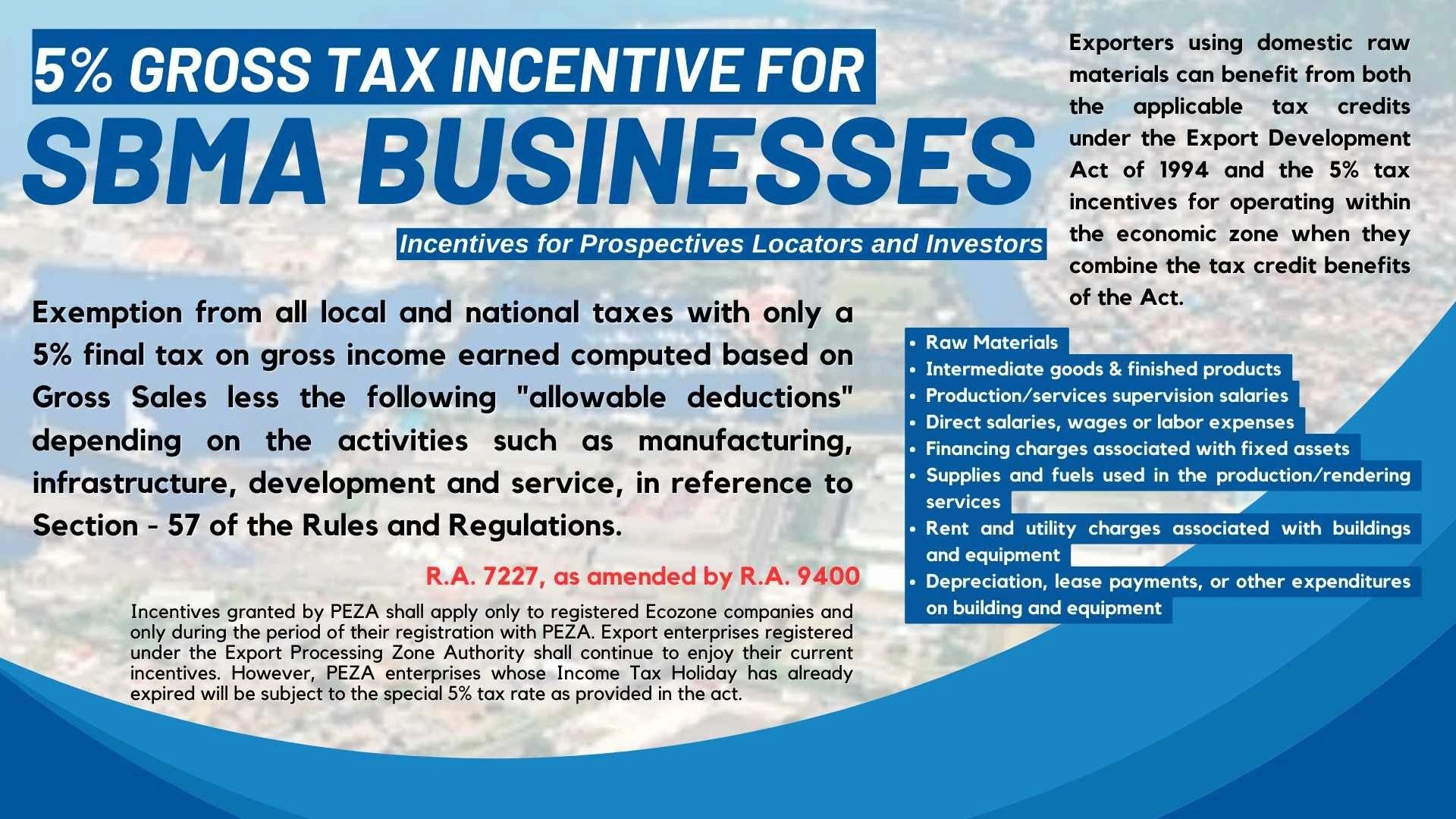
Serving as the gateway to Asia’s major markets, notably China, Japan, and ASEAN countries, the Philippines shows significant potential for resilient economic growth. The country boasts a large English-speaking workforce ...
To secure a loan or debt from another party, often called the creditor, a debtor or mortgagor can use their property as collateral through a mortgage contract. Although the mortgagor retains ownership of the property, if...
Landlord-tenant laws were enacted to provide a legal framework that ensures fairness and balance in the rental relationship. By establishing these laws, a beneficial environment is created for both parties, fostering a h...
According to the Civil Code of the Philippines, ownership may be exercised over things or rights (Article 427). In Article 428, it is also stated that the owner has the right to enjoy and dispose of a thing, without othe...
If you have lost the title to your property or if a flood has destroyed it, these situations can be painful for property owners. The title serves as a vital proof of ownership, and without it, claims to ownership may be ...
Have you ever faced conflicting claims regarding property ownership? When someone asserts that they are the rightful owner of a property, a legal remedy can help clarify and establish ownership of the disputed property. ...
There is a popular phrase that states that “all is fair in love and war”— however when it comes to marriage, how will you define fairness when it comes to managing and parting properties?
If you have important matters to attend to but cannot participate directly, you might consider executing a Power of Attorney to delegate the responsibilities you would handle if you were physically present. By doing this...
Women have faced oppression and abuse throughout history. The power imbalance between men and women leads to exploitation and various forms of discrimination regarding status, roles, and opportunities in work and educati...
We previously discussed the Violation Against Women and Their Children (VAWC) law in an earlier article. While this legal provision aims to protect the rights and welfare of women and children, what happens if the perpet...
One of the most complex and sensitive issues when parents separate, or a relationship end is child custody. In the context of the Philippine law, decisions in relation to custody are guided based on the principles enshri...
The concept of land ownership in the Philippines is a critical aspect of both real estate and property law. To protect landowners with their rights as well as establish a clear legal ownership, the Philippines uses the T...
In the Philippines, land ownership is a matter of great value—financially, socially, and culturally. However, despite the existence of a formal land registration system, many properties throughout the country remain unti...
As real estate prices in urban centers such as Metro Manila, Cebu, and Davao continue to climb, the possibility of homeownership becomes increasingly elusive for the average Filipino. In response to this challenge, many ...
Co-ownership of property in the Philippines is a common arrangement among family members, heirs, business partners, or even friends. Whether through inheritance or joint purchase, this type of shared ownership can offer ...
In a developing nation such as the Philippines, the need to build infrastructure—roads, railways, airports, utilities—is a matter of national interest. Yet in doing so, the government must often enter or acquire private ...
When buying or selling land, most people know that agreements must be in writing. After all, land is valuable, and written contracts protect both buyer and seller. But what if a land sale was made verbally—without any wr...
Property disputes between builders and landowners are not uncommon in the Philippines, particularly in cases where homes are constructed on land owned by another party. These disputes can become highly complex—legally an...
In a recent and significant pronouncement, the Supreme Court of the Philippines shed light on a legal issue often left unspoken. Is the concealment of one’s homosexuality before marriage a valid ground for annulment?
Adoption is not a merely an act of kindness it is a legal commitment that grants a child a permanent family and all the rights and privileges of a legitimate heir. In the Philippines, adoption is governed by a robust leg...
In the complex word of property ownership, titles are everything. They are everything. The are the legal backbone of ownership and security over real property. But what happens when someone suddenly lays claim to your la...
The passage of Republic Act No. 12021, known as the Magna Carta of Filipino Seafarers, marks a historic advancement in Philippine labor and maritime a historic advancement in Philippine labor and maritime legislation. Si...
In Philippine labor law, the constitutional guarantee of security of tenure under Article XIII, Section 3 of the 1987 Constitution and Article 279 of the Labor Code ensures that no employees shall be dismissed from servi...
In the Philippines, the life of corporation is not eternal. While a corporation is granted juridical personality under the law, its existence is subject to both legal and operational limitations. The dissolution of a cor...
In property disputes, possession is often a silent battlefield. When someone occupies land or a dwelling without legal authority or overstays their welcome, ejectment offers a swift and effective legal remedy. In the Phi...
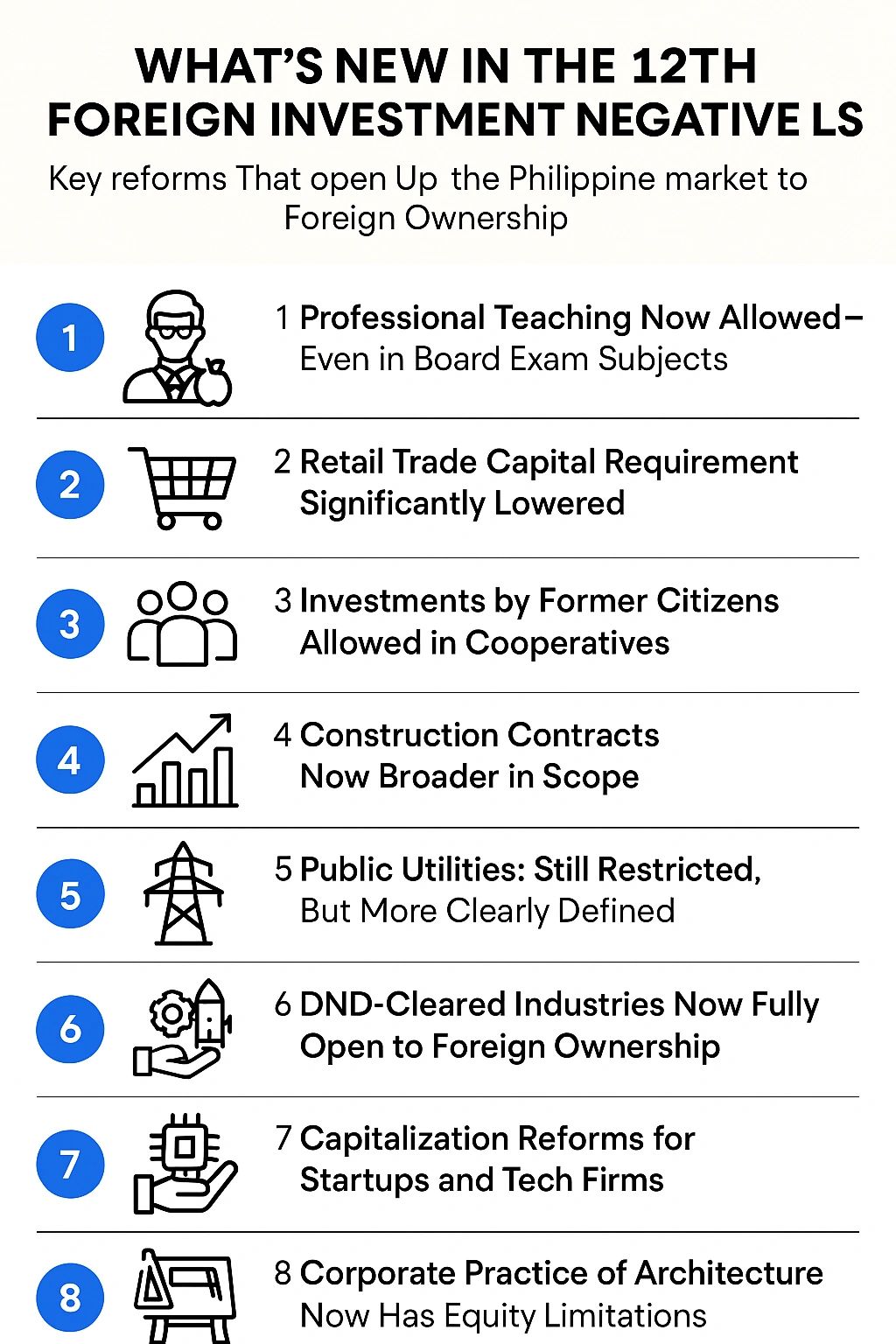
The Philippines has opened its doors to foreign investors in renewable energy (RE), offering one of Southeast Asia’s most investor-friendly regimes for clean energy development. As global attention turns toward sustainab...
In a functioning society governed by law, ownership is not merely a title printed on parchment. It is a bundle of rights accompanied by responsibilities, foremost of which is the duty to contribute to the maintenance of ...
In the world of property ownership, few issues are emotionally charged and legally complex as land disputes. One of the most troubling circumstances arises when land is sold by a person who has no legal authority or owne...
In the Philippines legal system, teachers are not just educators, they are considered second parents, mentors, and public servant. With the vital role they play in nations building, its is crucial that the law provides a...
When a loved one passes away, emotions run high, and unfortunately, so can disputes. In the Philippines, family conflicts over inheritance are common, especially when the estate has not been formally divided. These dispu...
In an age where school bullying is no longer just a “phase” but a serious social and legal concern, parents must realize that they, too, can be held legally liable for the wrongful acts of their children. The Philippine ...
Land is more that just a piece of property, it holds emotional, economic, and ancestral value for many Filipino families. But what happens when ownership is contested or when boundaries are unclear? In the Philippines, l...
In today’s digital age, mobile phones and e-wallet services like GCash have become tools for daily transactions. However, this convenience also comes with risks. One alarming issue is when a cellphone is stolen, and the ...
In the Philippines, family properties are often shared among relatives, especially siblings who inherit ancestral homes or jointly purchased real estate. While these properties represent both emotional and financial valu...
Purchasing a condominium unit has become a popular choice for Filipinos who want to invest in property while enjoying the convenience of city living. However, a condominium is not the same as buying a traditional house a...
Real estate transactions in the Philippines involve stringent compliance with legal requirements. When irregularities or defects occur in a mortgage or foreclosure proceeding, the affected party may file a Petition for C...
A land is one of the most important documents a property owner can possess. It is the official proof of ownership, recognized by the State and protected under the Torrens system. But what happens if a land title is lost,...
Land ownership and registration in the Philippines are governed by a comprehensive legal framework designed to ensure security, stability, and authenticity of property rights. Two key government agencies play crucial rol...
Legal separation remains one of the most misunderstood remedies under Philippine family law. Governed primarily by Articles 55 to 67 of the Family Code, it allows spouses to live separately while remaining legally marrie...
In the Philippines, many people believe that having a tax declaration over a piece of land automatically makes them the owner. This belief is common but legally incorrect. While tax declarations are important documents, ...
A Deed of Sale is a written instrument that shows the transfer of ownership of property from one person to another. Many people assume that once a Deed of Sale is signed and notarized, it is already valid and effective. ...
When a person dies, a common and important question arises: Who owns the personal property left behind? Personal property includes movable things such as cash, jewelry, vehicles, furniture, bank deposits, shares of stock...
Under Philippine law, property is generally classified into real property and personal property. While the distinction may sound technical, it has very real consequences especially when it comes to ownership, sale, inher...
Marriage is one of the most solemn and significant commitments a person can make. In the Philippines, the law presumes that every marriage is valid and binding. Yet, there are circumstances where this presumption does no...
Philippines takes marriage as a binding and lasting legal relationship. The act assumes that all marriages contracted exist and are alive. This is however not the case when one of the parties enters into a second marriag...
The Philippine Amusement and Gaming Corporation regulates and supervises gaming operations in the Philippines. Any person or corporation intending to legally operate gaming-related activities must first secure the proper...
The crime of stealing an item unlawfully is punishable by the law since it infringes the rights of property and possession. Theft in the majority of cases is a situation when one individual steals some personal property ...
During the rainy season, flooding can make a rented house or commercial space temporarily or completely unusable. This raises an important question: Does the tenant still have to pay rent when the leased property can no ...
Buying real property is one of the most significant transactions a person can make. Because land is valuable and immovable, the law provides rules to ensure that ownership and other rights over it are properly documented...
One common problem in property transactions in the Philippines is the double sale. This happens when one seller sells the same property to two different buyers. To prevent confusion and injustice, the law provides a clea...
Family relationships are not governed by personal expectations alone. In the Philippines, the law provides rights and responsibilities for spouses, parents, and children. The 1987 Constitution recognizes the importance o...
A mortgage is a common way of securing a loan using property as collateral. For example, a person may borrow money from a bank and use a house and lot as security for the payment of the loan. If the borrower fails to pay...