
Investing in Renewable Energy in the Philippines: Tax Incentives
The Philippines has opened its doors to foreign investors in renewable energy (RE), offering one of Southeast Asia’s most investor-friendly regimes for clean energy development. As global attention turns toward sustainab...
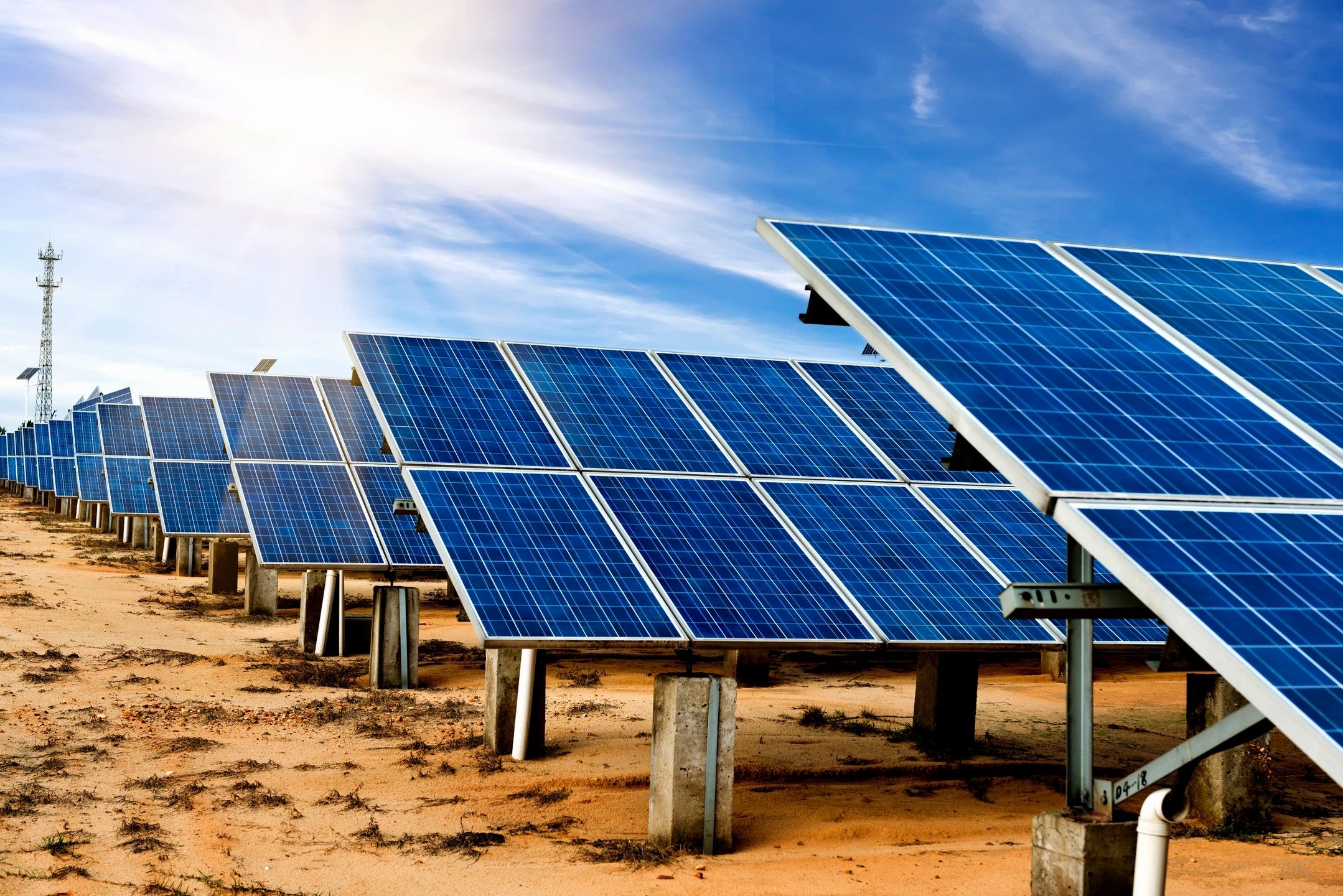
The Philippines has opened its doors to foreign investors in renewable energy (RE), offering one of Southeast Asia’s most investor-friendly regimes for clean energy development. As global attention turns toward sustainable energy solutions, the country’s legal framework and generous fiscal incentives make it a compelling destination for foreign-owned RE companies.
Full Foreign Ownership Now Allowed
In a landmark policy shift, the Department of Energy (DOE) issued Department Circular No. 2022-11-0034, allowing 100% foreign ownership of renewable energy projects involving solar, wind, hydro, and ocean energy sources. This reform removed the previous 40% foreign equity cap under the Public Service Act, enabling foreign investors to fully own and operate RE projects in the Philippines.
Geothermal energy projects, however, remain subject to a 40% foreign equity limit, unless undertaken under a Financial or Technical Assistance Agreement (FTAA) with the Philippine government.
Comprehensive Tax and Non-Tax Incentives
Foreign investors in Philippine renewable energy enjoy a wide range of fiscal and non-fiscal incentives under Republic Act No. 9513 (Renewable Energy Act of 2008), Revenue Regulations No. 7-2022, and the CREATE Act in conjunction with the Strategic Investment Priority Plan (SIPP).
Key Incentives Available:
✅ Income Tax Holiday (ITH)
- RE developers enjoy a 7-year income tax holiday, allowing full exemption from corporate income tax during the initial years of operation.
✅ 10% Corporate Tax Rate (Post-ITH)
- After the ITH period, eligible RE companies pay a reduced corporate tax rate of 10%, provided that the savings are passed on to consumers.
✅ Net Operating Loss Carryover (NOLCO)
- Net losses incurred during the first three years may be carried forward and deducted from gross income for the next seven consecutive years.
✅ Duty-Free Importation
- RE enterprises may import capital equipment and materials duty-free for up to 10 years, reducing startup and expansion costs.
✅ VAT Exemptions and Tax Credits
- 0% VAT applies to:
- Sale of renewable energy-generated power
- Local purchases and importation of goods and services related to RE projects
- Companies also enjoy a 100% tax credit equivalent to VAT and customs duties on locally sourced capital goods.
✅ Real Property Tax Incentives
- Realty tax on RE-related equipment and facilities is capped at 1.5% of net book value.
✅ Carbon Credit Tax Exemption
- Proceeds from certified emission reductions (carbon credits) are tax-exempt, providing additional income potential for green developers.
✅ Accelerated Depreciation
- Companies that do not avail of the ITH may apply accelerated depreciation on RE machinery and assets to maximize deductions.
Additional Non-Fiscal Incentives
- Feed-in Tariff (FIT): RE developers may benefit from a fixed-rate 20-year guaranteed pricing scheme for electricity produced from renewable sources.
- Renewable Portfolio Standards (RPS): Power utilities are required to source a minimum share of their energy from renewables, supporting long-term demand for RE projects.
- Energy Virtual One-Stop Shop (EVOSS): A digital platform that streamlines permitting and inter-agency approvals for energy investments in the Philippines.
CREATE Act & Strategic Investment Priority Plan (SIPP)
Projects registered under the CREATE Act through an Investment Promotion Agency (such as BOI or PEZA) may access enhanced incentives, including:
- Income Tax Holiday (4 to 7 years, depending on location and classification)
- Additional 5 years of special corporate income tax (SCIT) or enhanced deductions (e.g., labor, R&D, power costs)
- Duty-free importation of raw materials and equipment
Legal Compliance and Entry Strategy
Foreign-owned RE companies must register with the DOE and the Board of Investments (BOI), and comply with reporting and environmental requirements. Choosing the appropriate legal structure—whether as a domestic subsidiary, branch office, or special-purpose vehicle—is crucial to maximize the incentives.
Final Thoughts
With its abundant natural resources, favorable tax policies, and newly liberalized foreign ownership rules, the Philippines offers an ideal environment for renewable energy investors. Whether you're looking to develop solar farms, wind parks, or hydroelectric facilities, now is the time to take advantage of the country’s forward-looking energy reforms.
Need help navigating regulatory compliance, BOI registration, or incentive structuring? Our firm assists foreign and local investors in establishing renewable energy projects that are compliant, profitable, and future-ready.
📩 Contact us today to explore your investment opportunities.
Would you like this turned into a blog format with visuals, downloadable PDF, or newsletter version?
Published insights are general information, not legal advice for a specific situation.
Visit attytagulao.com ↗