Essential Requisites of a Valid Mortgage Under Philippine Law
A mortgage is a common way of securing a loan using property as collateral. For example, a person may borrow money from a bank and use a house and lot as security for the payment of the loan. If the borrower fails to pay...
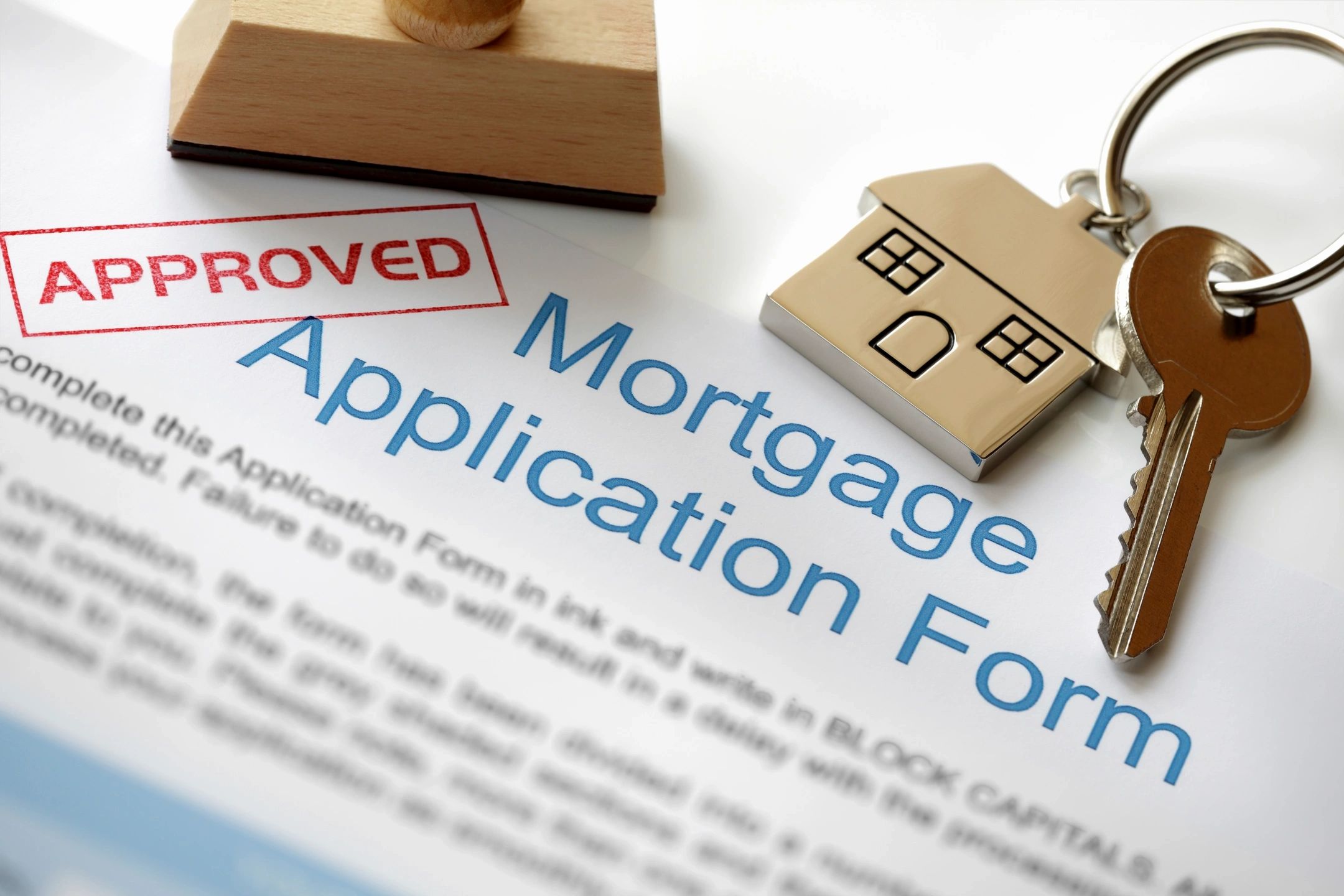
A mortgage is a common way of securing a loan using property as collateral. For example, a person may borrow money from a bank and use a house and lot as security for the payment of the loan. If the borrower fails to pay the obligation, the creditor may, subject to the law and the terms of the mortgage, resort to foreclosure.
However, not every agreement involving property as security automatically creates a valid mortgage. Under Article 2085 of the Civil Code of the Philippines, three essential requirements must be present for a valid contract of mortgage.
1. The Mortgage Must Secure a Principal Obligation
First, the mortgage must be created to secure the fulfillment of a principal obligation.
This means that a mortgage cannot ordinarily exist by itself. It is intended to serve as security for another obligation, such as a loan or a debt.
For example, Jay borrows ₱500,000 from a bank. To secure the payment of the loan, Jay mortgages his house and lot to the bank.
Here, the ₱500,000 loan is the principal obligation, while the mortgage over Jay's property is the security for that obligation.
The purpose of the mortgage is therefore clear: if Jay fulfills his obligation and pays the loan according to its terms, the security may eventually be released. If he fails to comply with the principal obligation, the creditor may exercise the remedies allowed by law.
Article 2085 expressly requires that the mortgage be constituted to secure the fulfillment of a principal obligation.
2. The Mortgagor Must Be the Absolute Owner of the Property
Second, the person who mortgages the property must be its absolute owner.
This requirement is important because a person generally cannot give another person a greater right over property than what he himself owns.
For example, suppose Jay owns a house and lot covered by a title in his name. Jay obtains a loan from a bank and mortgages the property as security.
Since Jay owns the property, this requirement is satisfied.
But suppose instead that Jay does not own the property. The property actually belongs to his neighbor, Mark, and Jay simply uses the property without Mark's authority. Jay cannot validly mortgage Mark's property merely because Jay is in possession of it.
The Supreme Court has emphasized that ownership is an essential requirement under Article 2085. When the person who constitutes the mortgage is not the owner, the mortgage may be invalid because that person has no ownership right to subject the property to the mortgage.
In simple terms:
You generally cannot mortgage property that you do not own.
This is particularly important in real estate transactions because the mere possession of a property, or even the appearance of ownership, does not necessarily make a person the lawful owner.
3. The Mortgagor Must Have Free Disposal of the Property
Third, the person creating the mortgage must have free disposal of the property.
In simple terms, the person must have the legal capacity and authority to decide what to do with the property, including using it as security for an obligation.
For example, suppose Jay owns a property and has the legal authority to mortgage it. Jay personally signs the Real Estate Mortgage in favor of the bank.
The requirement is generally satisfied because Jay has ownership and the ability to dispose of or encumber his property.
On the other hand, there may be situations where a person does not have unrestricted authority to dispose of property. In such cases, the law may require proper legal authorization.
For instance, if Jay is authorized by the owner to mortgage the property on the owner's behalf, the authority must be legally sufficient for that purpose. The Supreme Court has recognized that Article 2085 allows a person who is not the owner to constitute a mortgage when properly authorized to do so.
Thus, the third requirement can be summarized as:
The person creating the mortgage must have the legal authority to mortgage the property.
What If Jay Is Not the Borrower?
An important part of Article 2085 is that the mortgagor does not necessarily have to be the same person who incurred the debt.
Suppose Jay borrows ₱500,000 from a bank, but Jay's father, Pedro, owns a house and lot.
Pedro may agree to mortgage his own property to secure Jay's loan, even though Pedro is not personally the borrower.
This is expressly allowed by Article 2085, which provides that third persons who are not parties to the principal obligation may secure that obligation by mortgaging their own property.
In this situation:
- Jay – the debtor or borrower;
- Bank – the creditor or mortgagee; and
- Pedro – the third-party mortgagor.
Pedro's property serves as security for Jay's debt, even though Pedro did not personally borrow the money.
Consider this situation:
Jay wants to borrow ₱1,000,000 from ABC Bank.The bank agrees to grant the loan provided that Jay mortgages his house and lot as security.
For the mortgage to satisfy the requirements of Article 2085:
First, there must be a principal obligation.
Jay's ₱1,000,000 loan is the principal obligation.
Second, Jay must be the absolute owner of the property he is mortgaging.
If Jay owns the house and lot, this requirement is satisfied.
Third, Jay must have the free disposal of the property or otherwise be legally authorized to mortgage it.
If Jay has the legal authority to mortgage his property and properly executes the mortgage, this requirement is satisfied.
Therefore, the three requirements are present:
Principal obligation + Ownership + Authority to dispose = Essential requirements under Article 2085.
Article 2085 of the Civil Code establishes three essential requirements for a valid mortgage:
1. It must secure a principal obligation;
2. The mortgagor must be the absolute owner of the property; and
3. The mortgagor must have free disposal of the property or be legally authorized to mortgage it.
The provision is especially important in real estate transactions because a mortgage directly affects property rights. Before relying on a mortgage as security, it is therefore important to determine what obligation it secures, who owns the property, and whether the person who created the mortgage had the legal authority to do so.
Published insights are general information, not legal advice for a specific situation.
Visit attytagulao.com ↗